

If you’re a designer, you might be worried about AI. Every week, someone says it’s coming for your job.
I’ve noticed a change in how some of my clients approach design. Instead of asking me to create everything from scratch, they’re using AI to get started. They come to me when they need help improving the design, making it work, or turning their ideas into something real.
That got me thinking: If AI helps me work faster, should I charge less?
My answer is yes and no. AI has changed how I work, but it hasn’t changed the value I bring to a project.
Recently, I’ve been using Claude a lot on client website projects. I’ve been able to work faster and get things done in less time. I think learning to work with these tools is an important skill for designers, although there’s still a lot to learn.
But it also made me think about something bigger. What really matters when you build a freelance business?
I started freelancing on the side in 2016, and I’ve made plenty of mistakes. I didn’t always define the project scope early enough. I spent time doing things clients hadn’t asked for. I lost clients because of miscommunication. And it took me years to understand what I was missing.
Looking back, one thing stands out:
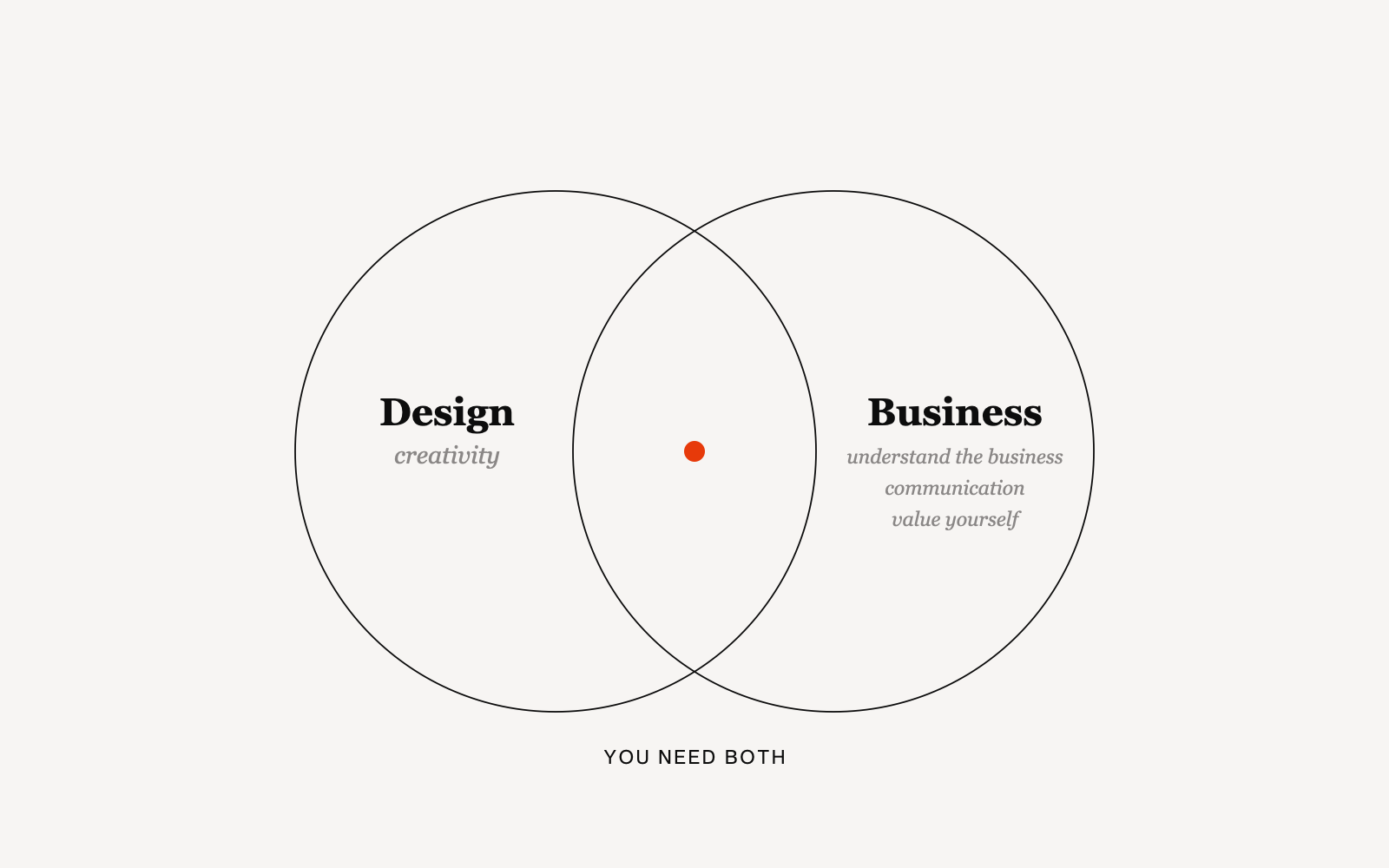
Being a good designer and building a freelance business are two different skills.
You can be great at design but struggle to sell your services, communicate your value, or manage client expectations. You can understand business but still need design skills to deliver good work.
You need both.
So, if I were starting freelancing again today, here’s what I’d do, in this order.
1. Doing everything is why nobody hires you
When you struggle with freelancing, it often comes down to how you position yourself. Are you trying to sell everything, or are you offering something specific to a specific audience? From my perspective, most of the struggle comes from your positioning.
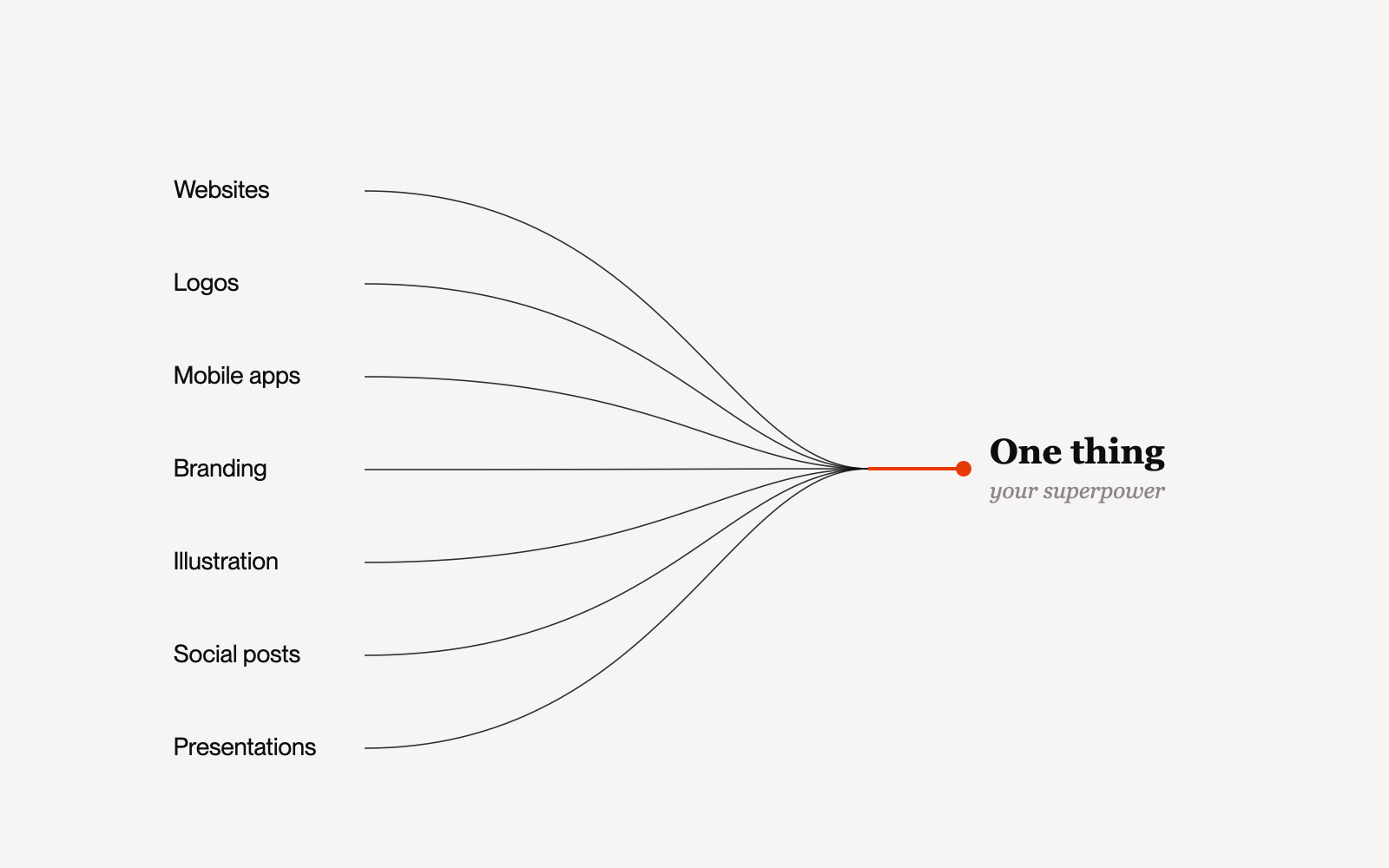
When I started freelancing, I wanted to do everything. Websites, logos, mobile apps, and more.
I thought doing more would give me more opportunities. But trying to do everything created more challenges. It took more time, made it harder to explain what I did, and left potential clients unsure about what they should hire me for.
Think about it from the client’s perspective. If you need someone to design a website for your business, would you rather hire someone who does a little bit of everything or someone who understands the specific problem you’re trying to solve?
That’s why positioning matters.
Today, AI can already help people create logos, websites, and other things. As I mentioned earlier, most of my clients now come to me to refine work they’ve already created with AI.
But defining your positioning helps you focus on the right outcome for a specific audience.
For example, I design landing pages for founders who want to sell more. That’s it. This is your niche.
If I were starting again, I’d ask myself three questions:
- What’s my superpower? What can I do particularly well, and what makes my approach different?
- What problems do I understand? What challenges can I help clients solve?
- What do I want people to hire me for? What kind of work do I want to be known for?
You don’t need to find the perfect niche straight away. Pick a direction, do the work, and learn from the clients you attract.
2. You don’t need clients to have a portfolio
This is for those starting from zero, with nothing to show yet. But it’s also common to have worked with companies and still have nothing to show potential clients. There could be countless reasons for that.
If I were in your shoes, here’s what I’d do.
- Design a free website for someone. It could be a friend who runs a yoga studio or a small coffee shop. Help them improve their website, and if they’re happy with your work, ask for a testimonial.
- Create design concepts based on real apps and websites. Look at the apps and websites people are already using. Identify what could be improved, think about how you would fix it, and even propose your ideas to the people behind them. Then, turn your concept into a case study that explains the real problem and your proposed solution.
The important thing is not just to show a pretty design. Explain your thinking. What did you notice? What problem did you identify? What would you change, and why? How would your solution help the people using it?
That’s what makes your work more than just a mockup. It shows potential clients how you think and how you approach problems.
You don’t need twenty projects to get started. Two or three strong case studies can be enough to show people what you do and how you think.
And your portfolio website doesn’t need to be complicated, either. It should answer four questions:
- Who are you?
- What do you do?
- What have you done?
- How can you help me?
Keep it simple. The goal isn’t to impress everyone. It’s to help the right client understand why they should talk to you.
3. Likes don’t pay your bills
Many designers share work on Dribbble, Instagram, LinkedIn, and plenty of other platforms. But posting a design doesn’t automatically mean they will come to ask for your services.
Someone might see your work, like it, and then what? This is where most problems happen, but you aren’t clear about the next step.
When you share a post on social media, add a detailed caption that explains what you were trying to solve, the decisions you made, and why you approached it that way.
I’ve learned this by sharing my own work. When I explain the thinking behind a project, people get a better idea of how I work and how I could help them.
And don’t forget to tell people what they can do next.
If someone is interested in your work, give them somewhere to go. Add the cta; it can be your website or a link to your case study. Make it easy for them to learn more about your services or get in touch.
Think of it as a simple path:
Post → Case study → Conversation → Client
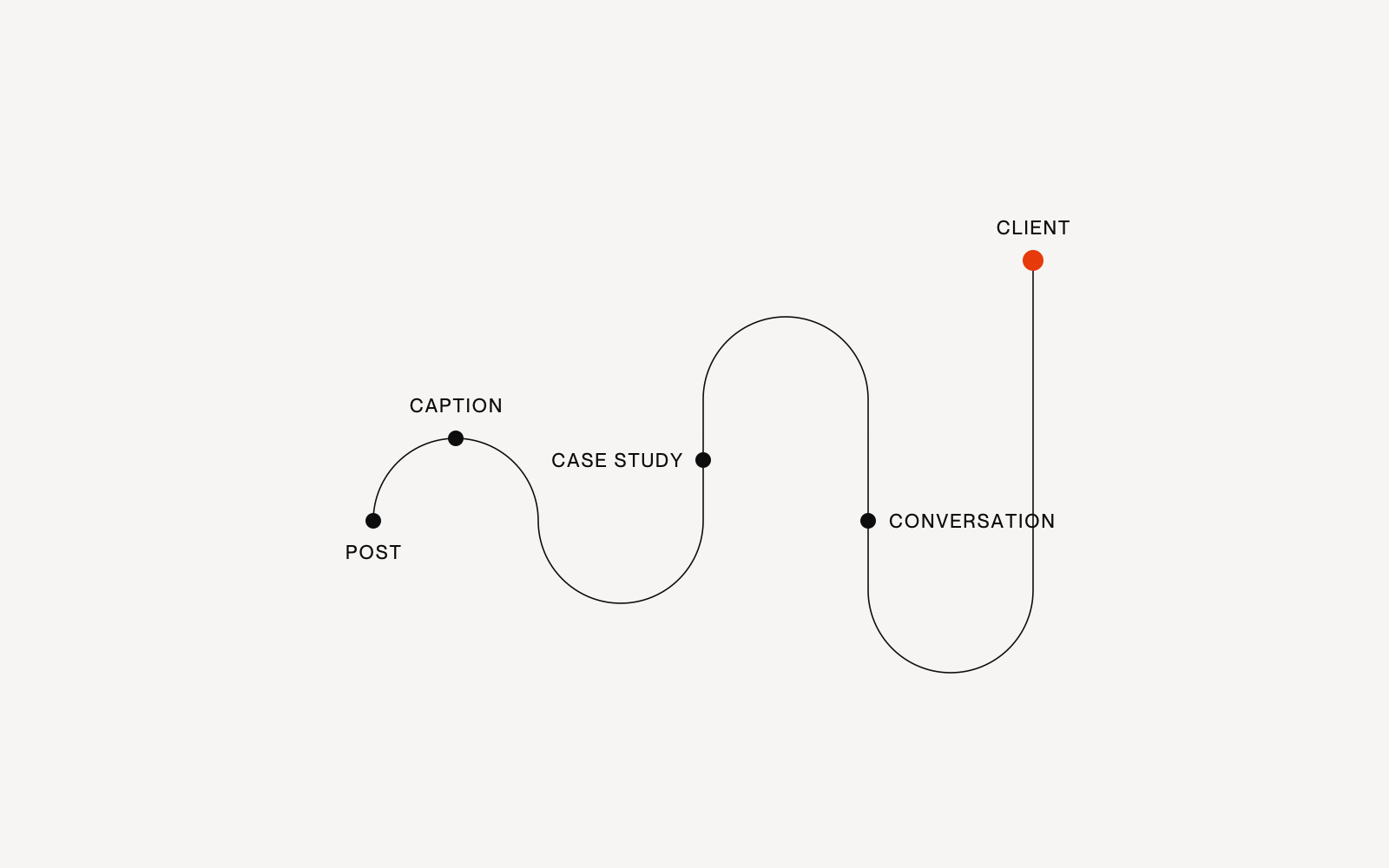
Each step helps a potential client understand you a little better. Your post gets their attention. Your case study shows how you think. The conversation helps you understand their problem. And if you’re a good fit, that conversation can turn into a project.
Just help people understand your work and make the next step clear. this step alone helped land countless clients.
4. Good design won’t save you alone
Good design isn't enough to define your business, your thinking, and even your process.
Here are a few things I wish I had learned earlier. There are many, but these made a difference for me.
Always have a clear scope of work. It will save you tons of time and even help you maintain your relationship with clients. If you can spend 20 minutes writing the scope, you’ll discover countless opportunities, whether that means offering more value, making more money, or cutting the budget by refining the scope to what the client actually needs.
Always know who the decision-maker is. I learned this the hard way on an app design project. There were two or three people involved, but I hadn’t figured out who had the final say. One person liked blue, another liked red, and every round of feedback turned into another discussion. The feedback kept coming, and the timeline kept stretching.
We all work for money, but you should aim beyond it. Think about it like buying a Rolex watch. You might not know all its features, but you still want to buy it. A salesperson explains everything to you and shows you a few options, but they also focus on your feelings and desires. That’s what can convince you to spend more money in many cases.
When it comes to money and clients, I think we should focus more on the relationship. Explain clearly why the project costs what it does and what the client is getting for that money. Don’t just tell them the price; help them understand the reasoning behind it.
That taught me to identify the final decision-maker before I start. It also taught me to be clear about what I’m delivering.
In my proposal, I explain what I’ll deliver, how I’ll handle the project, and when it will be done. I make sure the scope is clear, everyone understands who makes the final decision, and the client knows what they’re paying for and what’s included. I also keep them updated throughout the project so they never have to guess.
These things might sound simple, but they can make a big difference. You can spend years improving your design skills, but if you don’t learn how to manage the business side, you’ll make your work harder than it needs to be.
5. Clients are people, not payments
It’s easy to think of freelancing as a series of projects. Find a client, do the work, get paid, and move on to the next one.
But clients are people, not just projects or payments.
Of course, money matters. You’re running a business, and you need to make a living. But the relationships you build along the way can be just as important as the work itself.
I’ve always cared about the people I work with and the problems they’re trying to solve. I want to understand their goals, their challenges, and what they’re trying to achieve. I also want them to feel that I’m invested in helping them get there.
That doesn’t mean saying yes to everything or working endless unpaid hours. You can care about your clients and still set boundaries. In fact, clear expectations and a well-defined scope help protect the relationship because both sides know what to expect.
When clients trust you, they’re more likely to come back when they need help again. And when they have a good experience, they’re more likely to recommend you to someone else.
A good project earns you money once. A good client relationship brings you work for years.
That’s why I focus on keeping my promises, communicating clearly, and understanding what matters to each client.
The design matters. But so does everything that happens around it.
What I’d do if I were starting today
If I had to start freelancing again today, I’d focus on building a business, not just finding my next client.
I’d choose a clear position, build a few strong case studies, share my work with context, learn the business side early, and focus on building strong client relationships.
I wouldn’t wait until I felt ready. I’d learn as I went, make mistakes, and improve with every project.
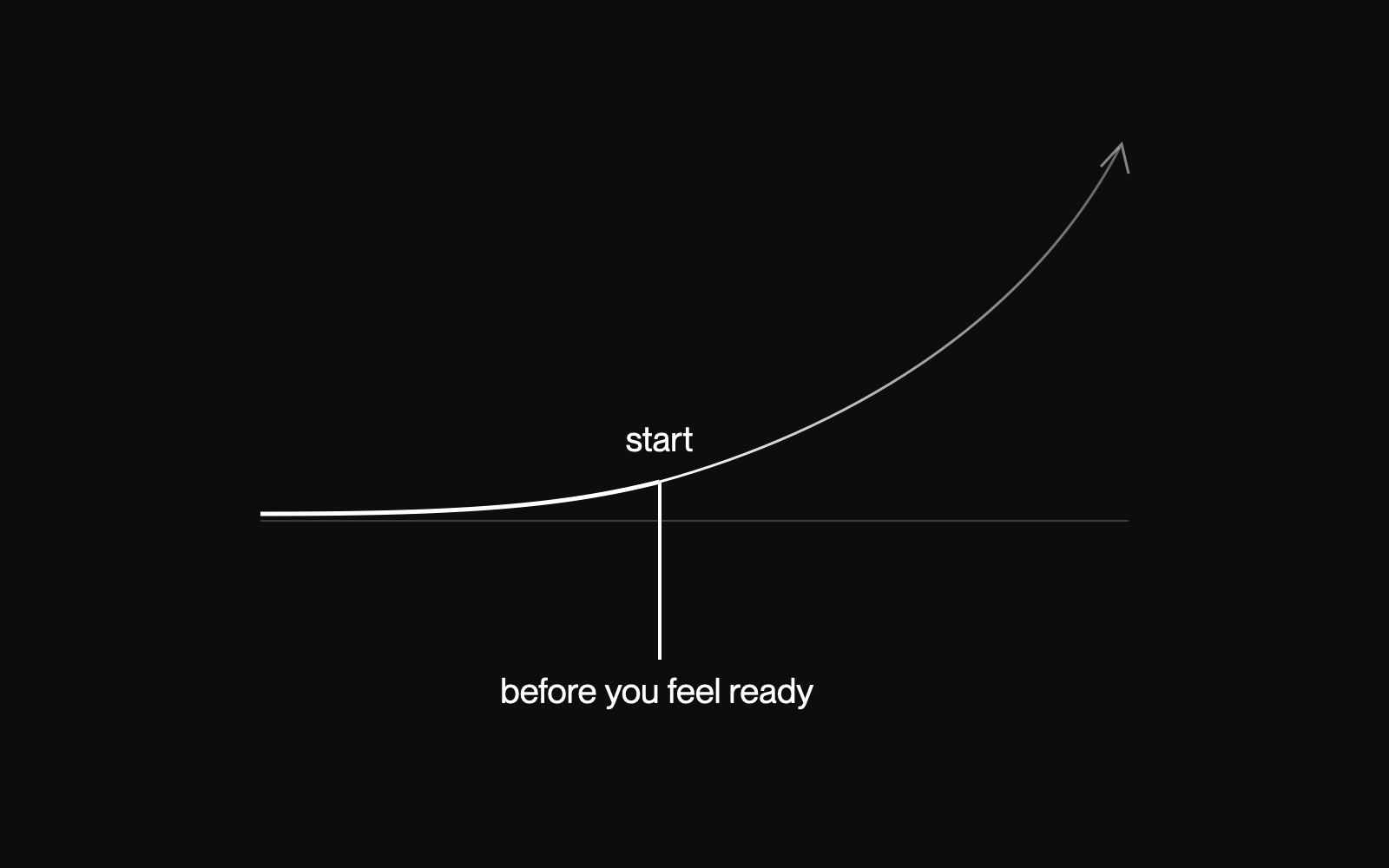
Because freelancing isn’t just about finding a client, doing the work, and getting paid. It’s about understanding the problems you solve, communicating your value, delivering on your promises, and building relationships that bring clients back.
Remember: Your design skills can get you your first project. Good communication and trust help you get the next ones.
If you were starting freelancing today, what would you do first? Hit reply and tell me.
See you in another one!
Let’s grow together 🙌
P.S. If you want the full path to your first client, step by step, it’s in the free Freelance Design Playbook.